Subtopic 8.3: Ceramics (Form 4 Chemistry)

Subtopic 8.3 — Composition of Ceramics and Their Uses

Form 4 Chemistry

What Are Ceramics?

A ceramic is a solid made up of inorganic and non-metallic substances. Ceramics are produced through shaping and hardening using heat at high temperatures. They are typically made of metal compounds, non-metal compounds, or metalloid compounds.
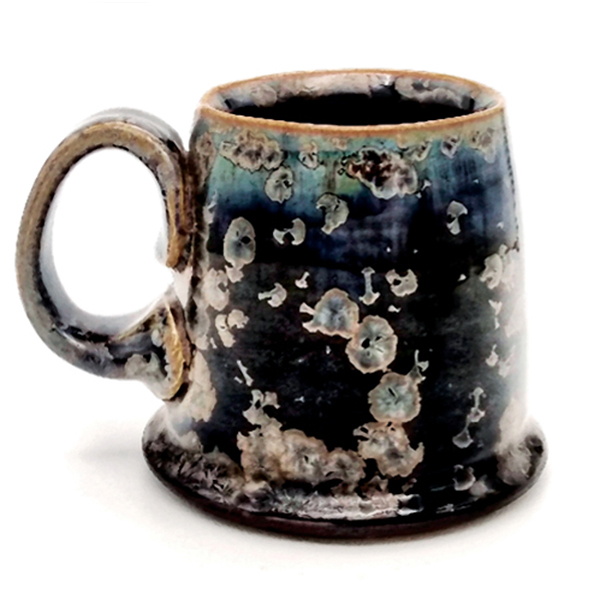
Ceramic bowl

Characteristics of Ceramics

  • Cute
Cute ceramic

Basic Properties of Ceramics

High thermal resistance

High thermal resistance

Heat insulator

Heat insulator

Electrical insulator

Electrical insulator

Hard and strong Hard and strong

Hard and strong

Brittle

Brittle (breaks easily)

Chemically inert

Chemically inert

The atoms in ceramics are bonded by strong covalent and ionic bonds, making them hard, brittle, and resistant to heat and chemicals.

Traditional Ceramics

  • Made from clay such as kaolin (Al₂O₃·2SiO₂·2H₂O)
  • Mixed with water and shaped, then heated at high temperature
  • Used to make bricks, pottery, bowls, and crockery
Traditional ceramics

Advanced Ceramics

  • Made from inorganic compounds such as oxides, carbides, and nitrides
  • More resistant to heat, abrasion, and chemicals
  • Examples: silicon carbide (SiC), titanium carbide (TiC)
  • Used in brake discs, cutting discs, tungsten carbide rings
Advanced ceramic material

Examples of Ceramic Compounds

Applications of Ceramics

Medicine

Medical ceramic
  • Zirconia ceramic for dental implants
  • Alumina ceramic for knee bone replacement
  • Used in MRI machines (superconductivity)

Transportation

Ceramic engine part
  • Engine components in jet planes

Energy Production

Ceramic insulators
  • Electrical insulators in high-voltage areas such as power stations

Form 4 Chemistry — Topic 8.3 • Composition of Ceramics & Their Uses
Designed by UwU Group